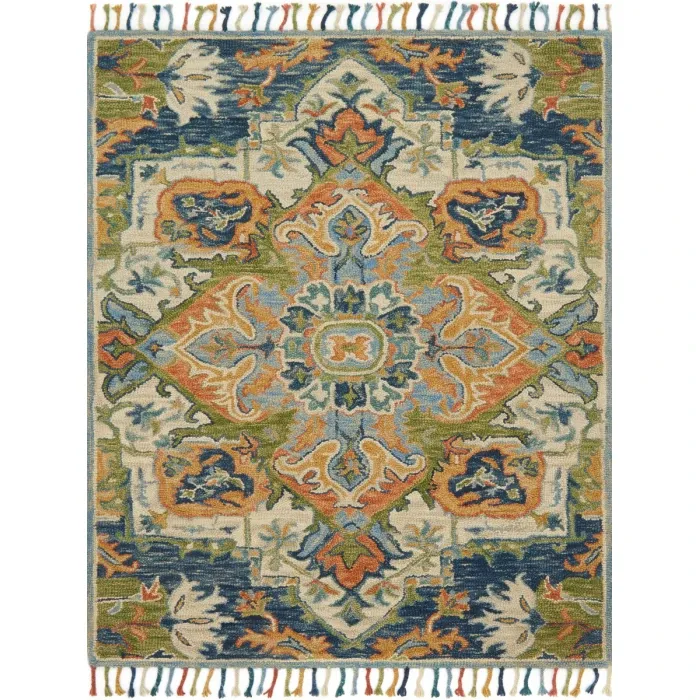
Contemporary homes often feature clean furniture lines, open floor plans, and carefully selected materials. These elements create an organized appearance, but interiors built around simplicity can occasionally feel impersonal. Traditional decorative details provide an opportunity to introduce warmth, history, and individual character.
One effective approach is to combine modern furniture with rugs featuring classic motifs, textured surfaces, or vintage-inspired colors. The contrast can produce an inviting interior without compromising the simplicity that makes contemporary design appealing.
Find a Common Element Between Styles
Combining traditional and contemporary design works best when different elements share a visual connection. Color, proportion, or material can help establish this relationship.
For example, a streamlined sofa may work beautifully with an ornate rug when both contain complementary neutral tones. The difference in decorative style creates interest, while the shared colors maintain balance.
Homeowners exploring Loloi rugs can consider different patterns and design influences when planning this kind of interior combination.
A rug featuring vintage-inspired detailing may soften the appearance of contemporary furniture. Alternatively, a simple geometric design can provide balance in a room containing antique wooden furniture.
The objective is to create a thoughtful relationship between different styles rather than make every decorative element match.
Let One Decorative Element Lead
A common challenge in mixed-style interiors is determining which element should attract attention. When furniture, artwork, curtains, and rugs all feature strong patterns, the room can become visually overwhelming.
Choosing one dominant feature makes the arrangement easier to manage. In a living room with simple upholstery and minimal wall decoration, a patterned rug can become the main focal point.
If the room already contains an ornate fireplace or an elaborate antique cabinet, a quieter rug may be more appropriate.
Consider the visual weight of each item. Dark colors, large patterns, and substantial furniture shapes naturally attract attention. Distributing these features carefully helps the room feel balanced.
Balance Old and New Through Color
Color provides a natural bridge between contrasting decorating styles. Traditional rugs frequently incorporate layered shades, while contemporary interiors often rely on restrained palettes.
A rug containing muted terracotta, navy, and cream can introduce warmth to a room furnished with gray seating and natural wood.
There is no need to repeat every shade. Selecting two complementary colors and incorporating them into small accessories usually creates enough connection.
The following combinations can provide useful starting points:
-
Cream and navy: A refined contrast suitable for contemporary seating.
-
Warm beige and rust: An inviting combination with natural wood.
-
Charcoal and ivory: A restrained palette that supports detailed patterns.
-
Sage green and tan: A softer look for relaxed interiors.
The surrounding wall colors and lighting should influence the final selection.
Consider Rug Design Alongside Architecture
A home’s architectural features can guide the choice of rug style. Rooms with decorative molding, fireplaces, or traditional wooden floors may already contain classic elements.
In these spaces, a contemporary rug can create visual balance instead of reinforcing every traditional detail. Conversely, a modern room with plain walls may benefit from a rug featuring intricate patterns.
Collections of Momeni rugs provide opportunities to compare different decorative styles when introducing contrast or continuity.
The size of the rug should also relate to architectural proportions. Large open living areas often require a substantial floor covering to establish a clearly defined seating arrangement.
Avoid Common Decorating Mistakes
Blending different styles requires some restraint. Several familiar design decisions can prevent otherwise attractive rooms from feeling coordinated.
Selecting a rug that is too small may divide the furniture rather than connect it. Similarly, combining several unrelated patterns can create unnecessary visual competition.
Homeowners should also avoid assuming that traditional designs automatically require formal furniture. A detailed rug can look equally appropriate beneath a modern coffee table or alongside a simple sectional sofa.
Careful editing often produces better results than adding more accessories. Removing an unnecessary decorative item may improve the room more than purchasing something new.
Make the Space Feel Personal
Successful interiors reflect the people who use them. A rug inherited from family, artwork collected during travel, or a favorite contemporary chair can all contribute to a distinctive arrangement.
Combining styles allows homeowners to retain meaningful possessions while updating their surroundings. Rather than replacing everything to follow a specific design trend, they can select new elements that complement existing pieces.
Comfort should remain central to these decisions. A visually striking room still needs appropriate furniture spacing, suitable rug materials, and practical walking routes.
Conclusion
Traditional and contemporary design can work together when homeowners pay attention to color, scale, visual balance, and architectural surroundings. Rugs are particularly useful because they connect furniture while introducing patterns and textures that might otherwise be missing. The most attractive combinations generally feel intentional rather than overly coordinated. Homeowners exploring options through RugsTown.com can compare classic-inspired and contemporary rug styles to develop interiors that balance personal expression with everyday comfort and functionality.