
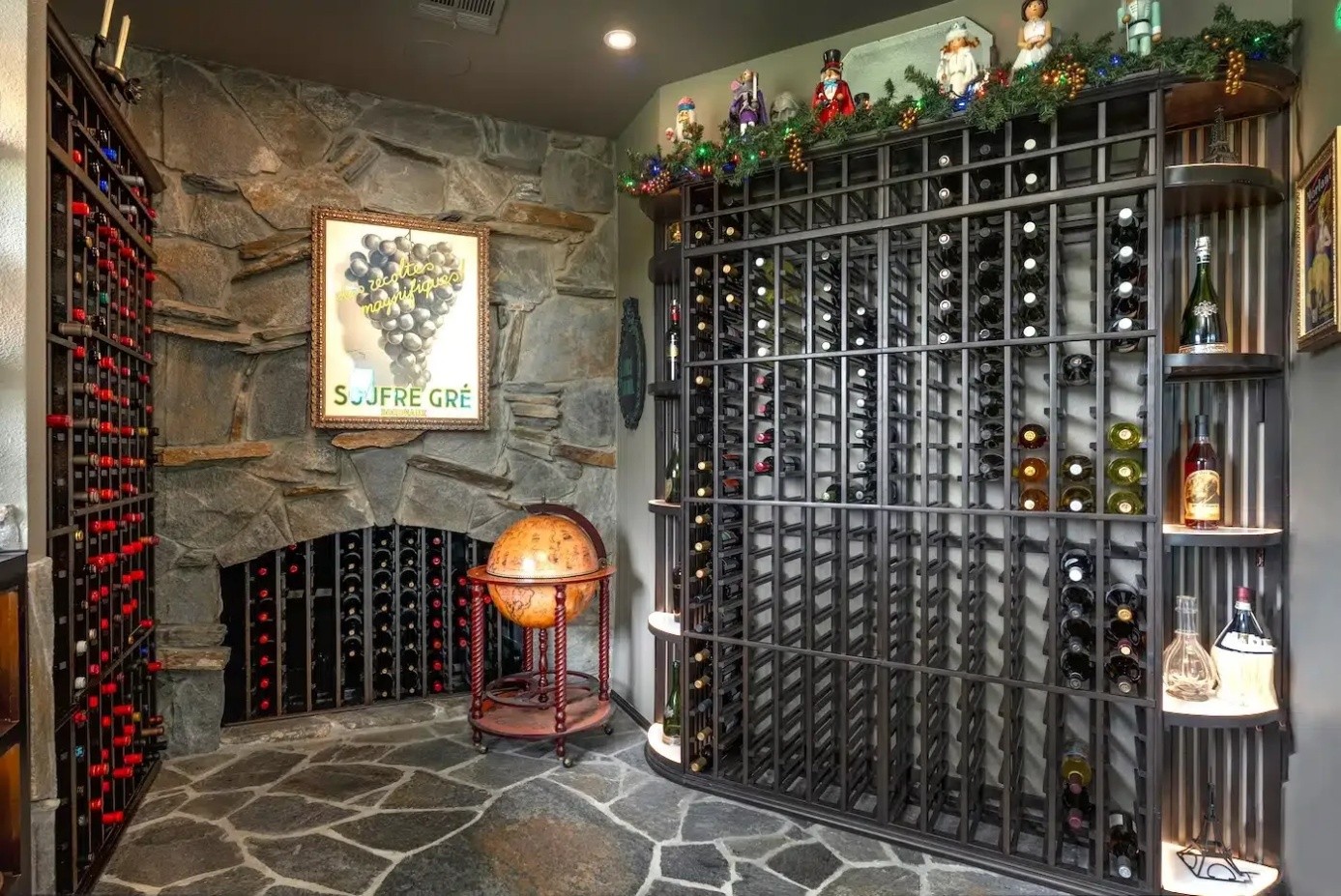
Wine cellar installation is mostly a logistics exercise that happens to end with a beautiful room. Panels, glass, racking and cooling equipment all have to travel through your home without damaging it and then come together in a space that may be tighter than anyone remembers. A little preparation on your side makes the whole week calmer, faster and cheaper. Most delays on site trace back to something that could have been settled in advance.
Clear the Path
Start by measuring every doorway, stairwell and tight corner between the street and the cellar. A glass door panel or a long run of racking is far less forgiving than a sofa. Write the narrowest point down and share it before anything is ordered. A panel that won’t fit round a corner can’t be fixed by wishing.
Protect what’s in the way, too. Lay down floor covering along the route, take art off the walls and move fragile furniture aside. Ask where the delivery truck can park, because a blocked driveway can waste half a morning.
Power and Paperwork
Reputable wine cellar installation services will usually ask about access and electricity before they ask about finishes. Cooling equipment needs a suitable circuit, and an older panel may not have room for one. Settle that early, since waiting on an electrician can stall everything else.
Check the paperwork as well. Some towns require permits for electrical or structural changes, and condo boards or homeowner associations may need notice. Approvals can take longer than the install itself, so start them as soon as the plan is firm. Keep copies of every approval in one folder.
Noise, Dust and Daily Life
Installation is not silent. Expect cutting, drilling and the sound of equipment being moved. Schedule your quieter tasks for other rooms, and if you work from home, consider a spare space or a few hours away on the loudest days.
Pets and children deserve a plan. Open doors, tools on the floor and fine dust make a busy site a poor place for them. A simple dust barrier across the doorway keeps the rest of the house cleaner, and it’s worth asking the crew to set one up.
The Handover Walk-Through
When the work is finished, walk the room slowly with the installer. Close the door and look for light around the edges. Press on shelving to check that it’s level and firm. Switch on every light and test the thermostat setting while someone explains the display. Ask what each reading means and which numbers to worry about.
Collect the paperwork before they leave. You want warranty details, equipment manuals and the contact number for service. Ask which breaker feeds the cooling unit and have it labeled, so nobody switches it off by accident during a power check.
The First Few Weeks
Some things look alarming and aren’t. A fan that speeds up, a compressor that cycles and a little water in the drain pan can all be normal. Learn the usual sounds early, so a genuinely new one stands out when it appears. A short note on your phone helps.
Open the door sparingly while the room finds its rhythm, and avoid cranking the settings in search of quick results. Small adjustments, made one at a time and given a day to show an effect, keep things stable.
Looking After It Afterward
A cellar needs light, regular attention. Vacuum dust from the cooling unit’s grille every few months, glance at the door gasket for cracks, and keep cardboard out of the room, since it holds moisture and invites mold.
Consider a service visit once a year. A technician can test refrigerant levels, check drain lines and catch tiny faults before they become costly ones. It’s far easier than a rescue mission after a heat wave, and it keeps the warranty paperwork in good order.
Conclusion: A Calm Install Is a Prepared One
The homeowners who enjoy installation week are usually the ones who did the dull groundwork: measured the route, sorted the power, told the neighbors and cleared the space. The crew’s skill matters, but your preparation sets the pace, and it shows in how smoothly the last day goes.
When you’re ready to start planning your own project, customwinecellar.com is a good place to begin.