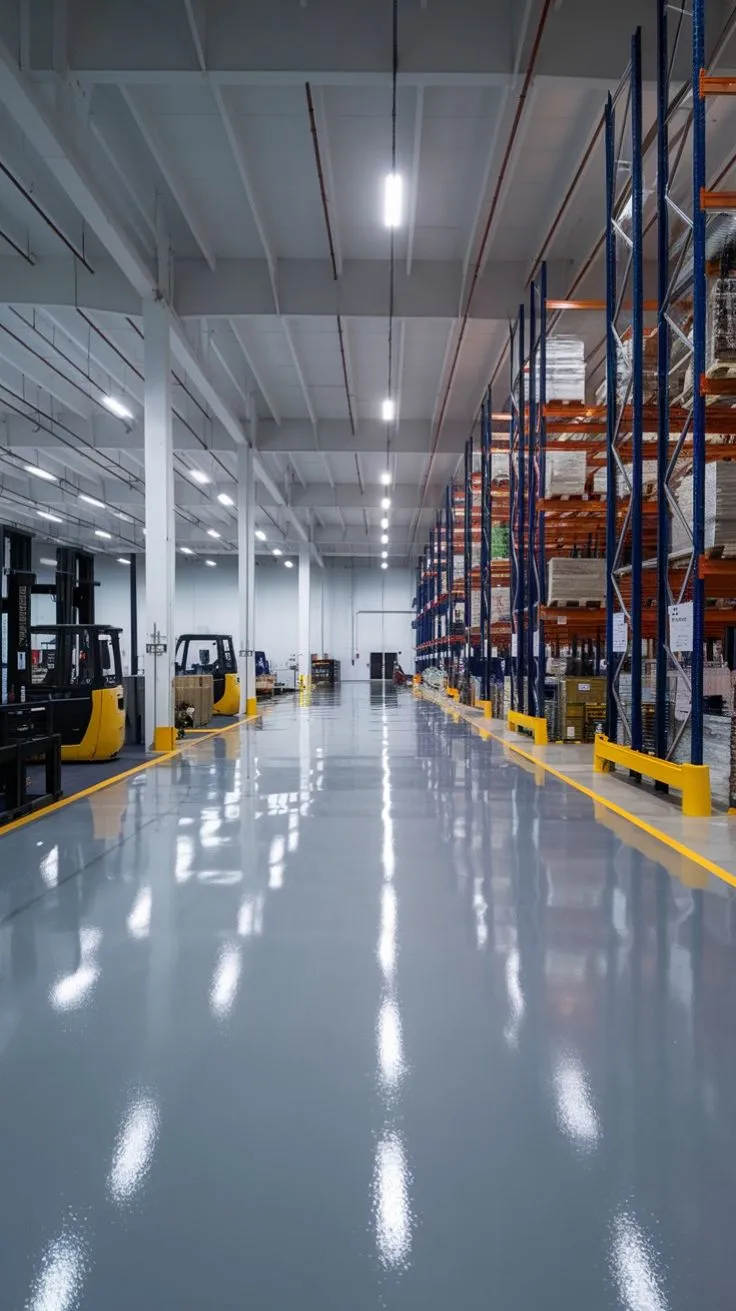
A warehouse floor supports almost every activity inside a busy distribution facility. Forklifts move inventory, employees transport products, and heavy equipment crosses the same areas throughout the day. Despite this constant use, floor maintenance often receives attention only after damage becomes obvious. Choosing suitable warehouse floor coatings can help protect properly prepared concrete and make certain cleaning tasks more manageable. However, preventing deterioration also requires regular inspections, appropriate equipment use, and a maintenance plan that reflects the demands of the facility.
Identify High-Wear Areas Early
Not every section of a warehouse experiences equal stress. Loading docks, forklift turning points, and busy storage aisles often receive more mechanical wear than areas used for occasional pedestrian movement.
Facility managers should inspect these locations regularly. Small chips, cracks, worn finishes, and deteriorating joints can indicate developing problems. Recording damage and monitoring changes helps maintenance teams decide when professional assessment or repairs are necessary.
Understand What Causes Surface Deterioration
Concrete floors are durable, but repeated loading and unsuitable operating conditions can contribute to damage. Hard wheels, heavy machinery, dropped materials, and chemical spills may gradually affect the surface.
Several factors deserve particular attention:
-
Forklift movements around tight corners.
-
Repeated loading near warehouse entrances.
-
Oil or chemical spills left unattended.
-
Damaged expansion or control joints.
-
Water collecting around cleaning areas.
Recognizing these conditions allows managers to address specific problems instead of repeatedly repairing the same sections without investigating the cause.
Choose Coatings for Actual Working Conditions
A warehouse storing packaged clothing has different flooring requirements from a facility handling industrial chemicals. Material selection should reflect the products being stored, equipment loads, and expected cleaning procedures.
Epoxy and other resinous flooring systems can provide protective finishes when correctly specified and installed. However, chemical resistance, coating thickness, and impact tolerance vary between products. Contractors should evaluate each application rather than recommend one system for every facility.
Consider Preparation Before Repainting
Some warehouse managers investigate warehouse floor painting when older finishes become scratched or discolored. A fresh coating may improve appearance, but applying it over damaged material can create additional problems.
Existing concrete should be checked for contamination, moisture, cracks, and previous coatings. Mechanical grinding may be necessary to create the correct surface profile. Proper preparation helps reduce the risk of adhesion failure and premature peeling.
Build Maintenance Into Daily Operations
Cleaning procedures influence how long a warehouse floor remains serviceable. Loose debris can create abrasive wear, while certain chemicals may damage coatings that were not designed for prolonged exposure.
Maintenance teams should use suitable cleaning products and remove spills promptly. Equipment operators should also report damaged areas rather than continue working over deteriorating surfaces. Consistent communication helps prevent small concerns from becoming larger operational problems.
Include Flooring in Equipment Planning
The condition of warehouse equipment can affect floors. Damaged wheels, dragging pallets, and poorly maintained machinery may cause scratches, gouges, or concentrated pressure.
Inspecting wheels and handling equipment regularly can reduce unnecessary surface damage. Facility managers should also review equipment routes when warehouse layouts change. Repeated turning movements in confined areas may create additional wear that requires attention.
Manage Repairs Without Major Interruptions
Floor repairs can interfere with deliveries and inventory movement, particularly when they affect loading areas or primary aisles. Scheduling work during quieter periods may help reduce inconvenience.
Some facilities can divide projects into manageable sections while other areas remain operational. Contractors should explain preparation, ventilation, application, and curing requirements before work begins. Access must remain restricted until the repaired surface is ready for the intended traffic.
Evaluate Long-Term Flooring Expenses
Initial installation costs are only one part of warehouse maintenance. Repeated patching, cleaning difficulties, and unexpected shutdowns can increase expenses over time.
When comparing flooring proposals, managers should consider substrate repairs, material specifications, maintenance requirements, and anticipated service conditions. A suitable protective system may offer better overall value than an inexpensive coating that cannot withstand the facility’s regular activities.
Conclusion
Preventing warehouse floor damage requires a combination of suitable materials, regular inspections, and responsible equipment use. Managers should pay particular attention to high-traffic areas, existing concrete conditions, and cleaning procedures before selecting protective finishes. Planning repairs around operational schedules can also reduce avoidable disruption. For industrial businesses exploring concrete coating services in Bakersfield and surrounding California communities, huskycoatings.com provides information about commercial and warehouse flooring systems. A thoughtful maintenance strategy can help protect working surfaces while supporting efficient movement, safer operations, and more predictable facility upkeep.