
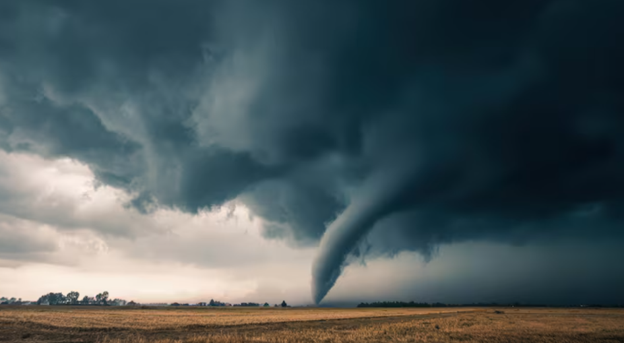
Watching a tornado touch down might look completely spontaneous, but honestly, every real chase starts way before that first storm cloud shows up. A proper Storm Chasing Tornado expedition runs on detailed weather analysis, careful route planning, and constant decisions being made all day. It’s not luck driving any of this. Chasers lean on science, tech and years of experience to put themselves right where severe weather’s most likely to happen.
Once you understand what’s going on behind the scenes, you realize storm chasing is honestly as much about prep work as it is about the actual thrill.
The Day Starts Early
A chase day usually kicks off before the sun’s even up. Teams are already comparing overnight forecast updates against current conditions, trying to get ahead of the day. That early start helps pin down where thunderstorms might turn severe later on. It also buys the team time to adjust plans before anything’s actually happening in the sky.
Studying the Forecast
Forecasting is honestly the backbone of any Storm Chasing Tornado operation.
Chasers dig into a handful of key factors, including:
- Temperature differences
- Humidity levels
- Wind direction
- Wind speed at different heights
- Atmospheric instability
- Cold fronts and drylines
Get enough of these lining up right, and you’ve got a real shot at severe thunderstorms, sometimes tornadoes too.
Selecting the Target Area
Once the forecast’s been reviewed, the team picks a target zone where conditions look most promising. That location almost never stays fixed, though. As new data rolls in, the target might shift several miles, sometimes into a whole different state. Staying flexible really matters here, because storms rarely play out exactly the way a forecast predicts.
Picking the right starting point genuinely improves the odds of catching something worth seeing later in the day.
Preparing for the Chase
Before hitting the road, the team makes sure everything’s ready for a long day out there.
Typical prep includes:
- Checking vehicle condition
- Fueling up
- Testing communication devices
- Reviewing navigation routes
- Charging cameras and electronic equipment
- Monitoring updated weather reports
Small steps, sure, but they cut down on delays once storms actually start forming.
Tracking Weather in Real Time
Forecasts give you a starting point, but things shift fast once you’re out there. All day long, Storms Chasers keep an eye on radar, satellite imagery, lightning activity, live observations, the whole picture. Even a small shift in storm movement can change where the team decides to head next. Having that real-time info lets guides make smart calls instead of guessing and hoping for the best.
Adapting to Changing Conditions
No chase ever goes exactly to plan, honestly. A storm that looked great that morning might weaken out of nowhere, while something else builds up fast a few miles off. Experienced chasers know when it’s worth sticking with a storm and when it’s time to cut losses and shift direction. That instinct is really what separates the pros from someone just winging it out there.
Choosing Safe Viewing Locations
Picking the right spot to watch from takes real judgment, more than people think.
Teams look for locations offering:
- Clear visibility
- Safe road access
- Multiple escape routes
- Minimal traffic
- Distance from hazardous conditions
The goal’s always the same: great views without putting anyone at unnecessary risk.
Wrapping Up the Chase
Once the light fades or storms start dying down, that’s it for the day. A lot of teams spend the evening going through photos, weather data, and the calls they made, talking through what worked and what didn’t. Those conversations help sharpen strategy for next time and deepen everyone’s understanding of what actually happened out there. Tornado or no tornado, every chase ends up teaching something.
Why Planning Matters
Storm chasing was never just about following storms around. Solid planning helps teams:
- Improve forecasting accuracy
- Travel more efficiently
- Respond to changing weather
- Protect participants
- Maximize viewing opportunities
Skip the prep, and even perfect weather conditions get a lot harder to safely observe.
Final Thoughts
Behind every solid Storm Chasing Tornado experience sits a carefully built process that starts hours before any storm actually shows up. From poring over weather models to picking safe spots to watch from, every decision leans on science, experience, and constant attention to what’s changing.
The work these Storms Chasers put in proves that successful storm chasing was never really about the thrill alone. It’s about understanding the atmosphere, making smart calls, and respecting exactly how powerful nature can be, every step of the way.