
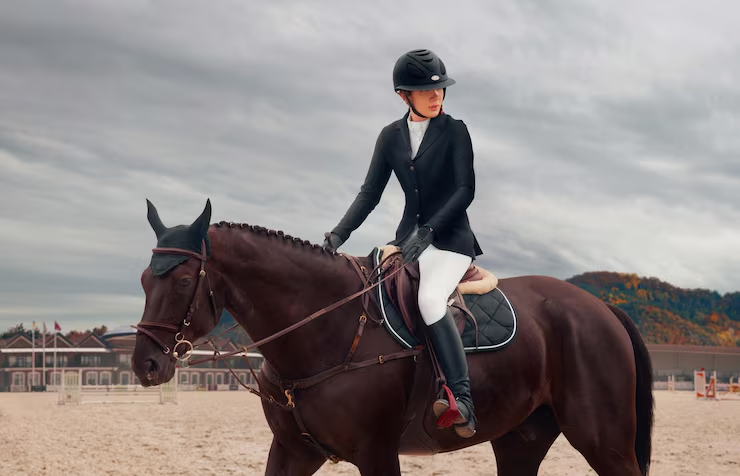
In high-speed competition, the details matter. The cut of a sleeve, the grip of a boot, the way fabric moves in the wind—small factors can influence confidence and performance in the saddle. That’s why jockey outfits horse racing are designed differently from everyday riding apparel. They’re built for aerodynamics, mobility, visibility, and durability, while still meeting the standards and expectations of the sport.
Whether you’re an owner, trainer, rider, or part of a racing stable, understanding what makes quality jockey apparel can help you choose gear that supports safety and comfort from paddock to post.
Why jockey apparel is highly specialized
Horse racing is intense: fast acceleration, close quarters, unpredictable conditions, and long days that can include training rides, pre-race prep, and post-race routines. Racing apparel must function under pressure.
Quality jockey outfits horse racing are typically chosen with these demands in mind:
- Mobility: A streamlined fit that doesn’t restrict shoulders, elbows, or hips
- Breathability: Fabrics that vent heat and wick moisture
- Durability: Reinforced stitching and resilient materials
- Visibility: Colors and patterns that remain vibrant and easy to identify
- Comfort: Reduced chafe points and smart seam placement
The best gear balances all of the above without feeling bulky or distracting.
Core components of jockey outfits for race day
While exact requirements vary by discipline and venue, most racing kits include consistent essentials. Here’s what commonly makes up a complete set:
1) Silks or racing tops
Traditional silks are built to be lightweight and easy to move in. Many modern options incorporate technical materials for better moisture control and a cleaner fit.
2) Breeches and base layers
A good fit matters—too loose and you risk friction; too tight and movement feels restricted. Many riders also choose base layers for temperature management.
3) Protective gear and accessories
This can include body protectors, helmets, and additional equipment depending on the discipline and regulations. While this article focuses on apparel, it’s worth remembering that clothing should work with protective gear, not against it.
4) Gloves and footwear
Grip, control, and comfort become more important as fatigue sets in. Selecting quality accessories helps keep handling consistent across multiple rides.
If you’re building or upgrading a kit, it helps to start with reliable apparel basics and add discipline-specific components from there. A straightforward way to explore modern jockey outfits horse racing options is to browse a curated range made for racing-specific needs.
Fit and movement: the hidden performance advantage
Fit isn’t about fashion in racing—it’s about function. A well-designed kit supports natural body mechanics. Look for:
- Articulated sleeves that allow rein contact and forward posture
- Stretch panels or fabrics that move with the rider
- Flat seams that reduce chafing under body protectors
- Secure closures that stay in place during mounting and sprint finishes
A good fit should feel “invisible” once you’re in riding position: no tugging at shoulders, no bunching at the waist, no sleeves creeping up.
Materials that work with the environment
Race days aren’t always ideal-weather days. Heat, humidity, wind, drizzle, and temperature swings can all show up in the same week—sometimes the same day.
For jockey outfits horse racing, fabric choice can be the difference between staying composed and feeling distracted. Consider:
- Moisture-wicking synthetics for hot climates and long training days
- Breathable weaves that prevent overheating under protective layers
- Quick-drying materials if you regularly deal with rain or wash-downs
- Colorfast fabric so silks remain bright after repeated use
If you’re ordering for a stable, it can be smart to standardize fabric performance across riders, so everyone has consistent comfort and care requirements.
Durability and care: keeping gear race-ready
Racing apparel gets used hard—and gets washed often. Longevity comes down to construction and care habits.
To extend the life of your kit:
- Wash on gentle cycles and avoid harsh detergents
- Close zips/Velcro before laundering to prevent snags
- Air-dry when possible to protect stretch and color
- Rotate gear if you ride frequently (especially base layers)
Even high-quality apparel can wear quickly if it’s treated like casual clothing. A simple care routine keeps your kit looking sharp and performing well.
Practical buying checklist for riders and stables
Before you buy, it helps to run through a few essentials. Use this checklist to narrow your options:
- Does the fit support a forward racing posture?
- Are the materials breathable and quick-drying?
- Is construction reinforced at high-stress points?
- Will it layer comfortably under protective gear?
- Is the design easy to identify at a distance?
- Can you reorder consistently for team uniformity?
If you can confidently answer “yes” to most of the above, you’re likely looking at gear built for real racing conditions.
Conclusion
Choosing jockey outfits horse racing is ultimately about supporting the rider’s performance and safety with apparel that fits correctly, handles real conditions, and holds up through repeated use. When your kit feels right, you can focus on the ride—not your clothing.
If you’re refreshing your race-day wardrobe or outfitting a stable, Ridertack offers a practical range of jockey outfits horse racing apparel designed for the demands of the sport.